












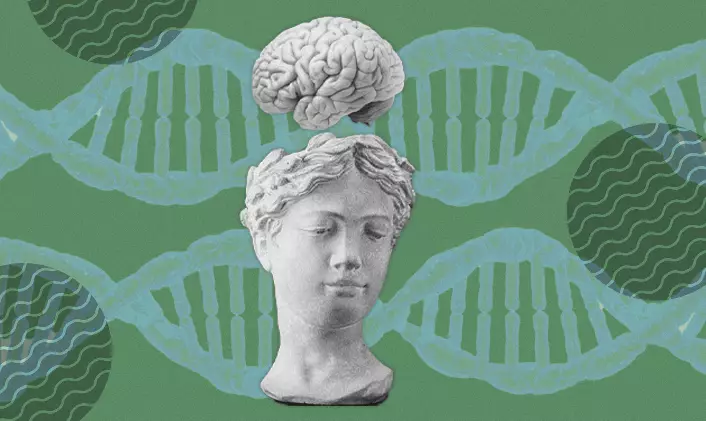
Psychology is something every human experiences. It shows up in every corner of our lives, past, present, and our futures. From elementary school behavior charts to the “crushes” that once felt like they would last forever, psychology is found in everything we do. So why isn’t it a required class in high school?
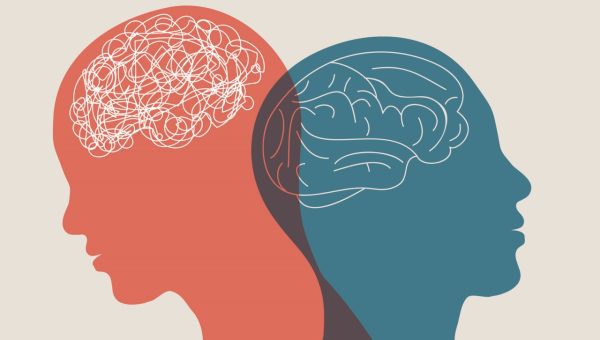
It is necessary to understand why things may happen or why people behave the way they do. Psychology perspectives could be a foundation to why the loss of many relationships stems from misinterpretation. Teens who get into fights or bully others may be misinterpreting their emotions or feeling overwhelmed by impulses they don’t fully understand.
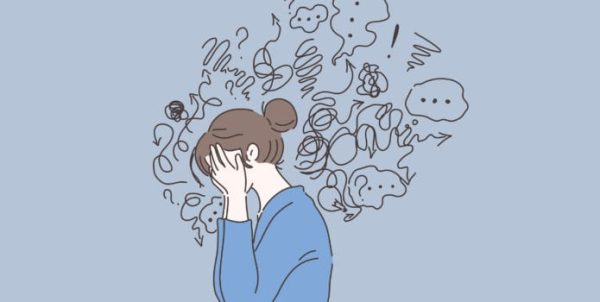
Now don’t get me wrong, students already have a lot on their plates. It’s totally fair to ask “why add another required class?” According to the CDC, nearly 1 in 3 high school students (30%) report feeling “so sad or hopeless almost every day for two or more weeks in a row” that they stop their usual activities. For teen girls, that number is a staggering 43%. That friend who suddenly dropped out of sports might not have been “ditching” you but instead they may have been showing signs of persistent depression.
Teens often keep their mental health struggles private by masking or keeping silent. The CDC also says only 30% of teenagers report their struggles to a school social worker or guidance counselor, so what about the other 70%? A required psychology class could help reach those students, especially the ones who don’t feel comfortable opening up, by giving them helpful curriculum to understand their emotions and even possibly encouraging them to research help opportunities.
After graduation, the Pythagorean theorem or the details of ionic bonds may be forgotten but you cannot forget your own mind. High school is one of the most confusing and stressful periods of one’s life and ignoring mental health does not make it disappear but instead makes things worse.
Mental health cannot be ignored. Making psychology a mandatory high school course could benefit future generations by helping students understand themselves now and recognize repressed warning signs. Early awareness could even save lives. According to The National Alliance on Mental Illness (NAMI), only 20% of youth with mental illness are identified and treated.
As a junior in AP Psychology, I have learned more and more about mental health, disorders, and healthy coping strategies. While using the knowledge I have learned to improve my perspective outside the classroom, I cannot help but think others should receive the same opportunity.
My psychology teacher, Mrs. Nicole Ingram, emphasizes the importance of mental health every time I step into the classroom.
“Psychology is so important, it is part of everyone’s life, “ she said. Her message is simple but meaningful.
Nevaeha Bond, a student in Psychology gave her take on a mandated psychology class, too.
“I believe that psychology is very important and needed to get through life,” she said. “I think a lot less confrontations would happen if people understood each other.”
Students should understand that behaviors often begin from deeper struggles. If psychology were available to all students at some point in high school, mental health might be viewed with greater understanding and far less stigma.