
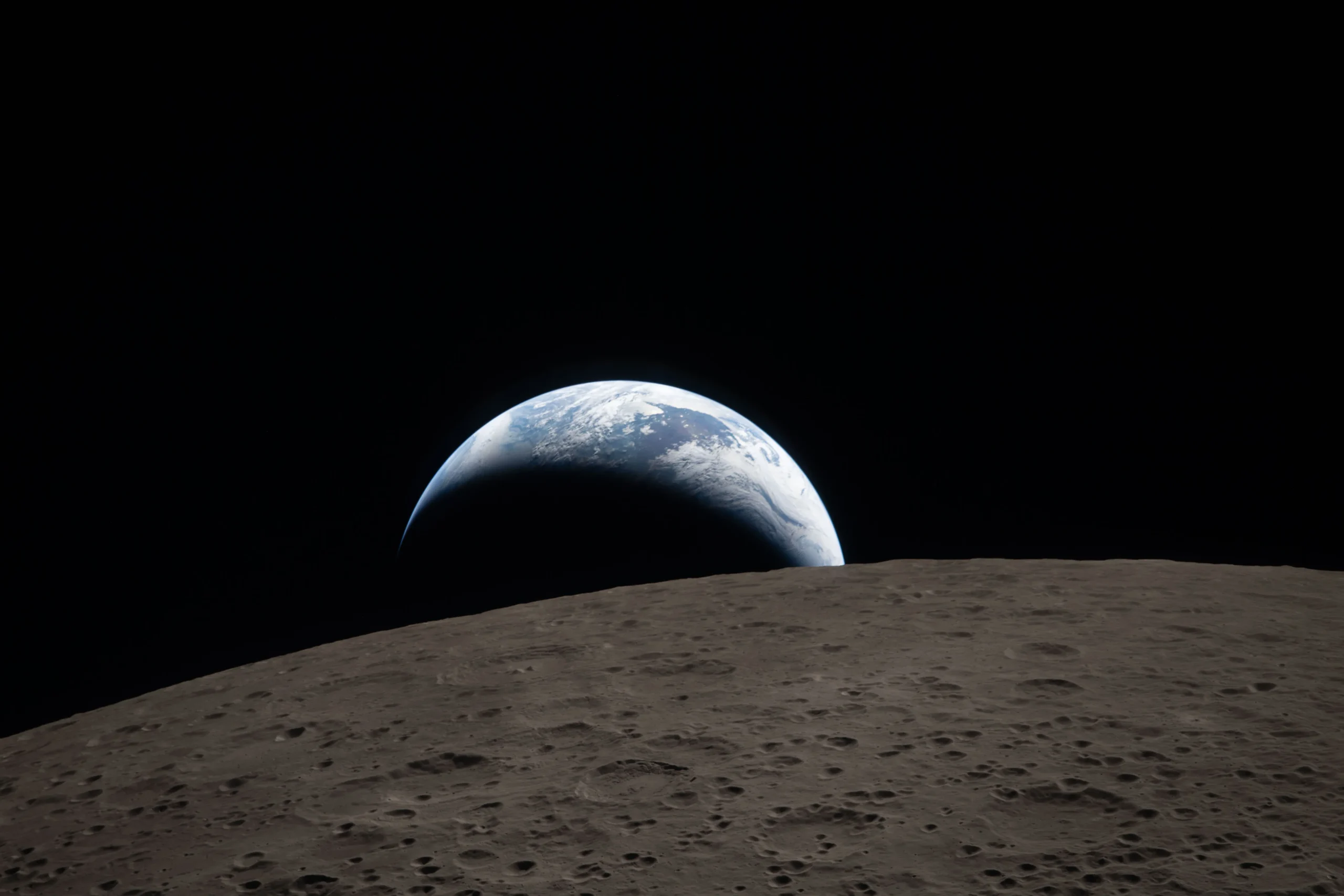

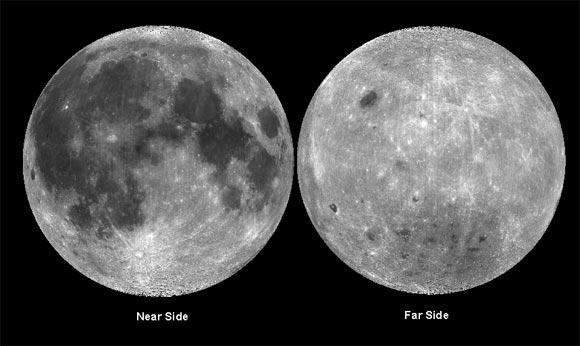
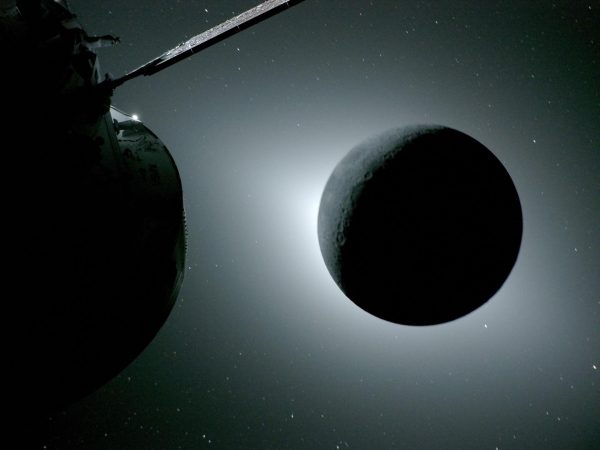
 Launching on April 1, 2026 from Cape Canaveral, Florida and splashing down near the coast of San Diego on April 10, 2026, the Artemis II mission spanned exactly 9 days, 1 hour, and 32 minutes, traveling exactly 695,081 miles. The rocket circled the Earth twice before heading to circle the moon, taking a more in-depth look at the far side.
The mission took place on the Orion spacecraft which NASA believes could play a big role in sending people to Mars in the future. The Orion was built on over 50 years of research and even has a launch abort system meaning it can bring the crew to safety in case of an emergency during the ascent into orbit or during the launch.
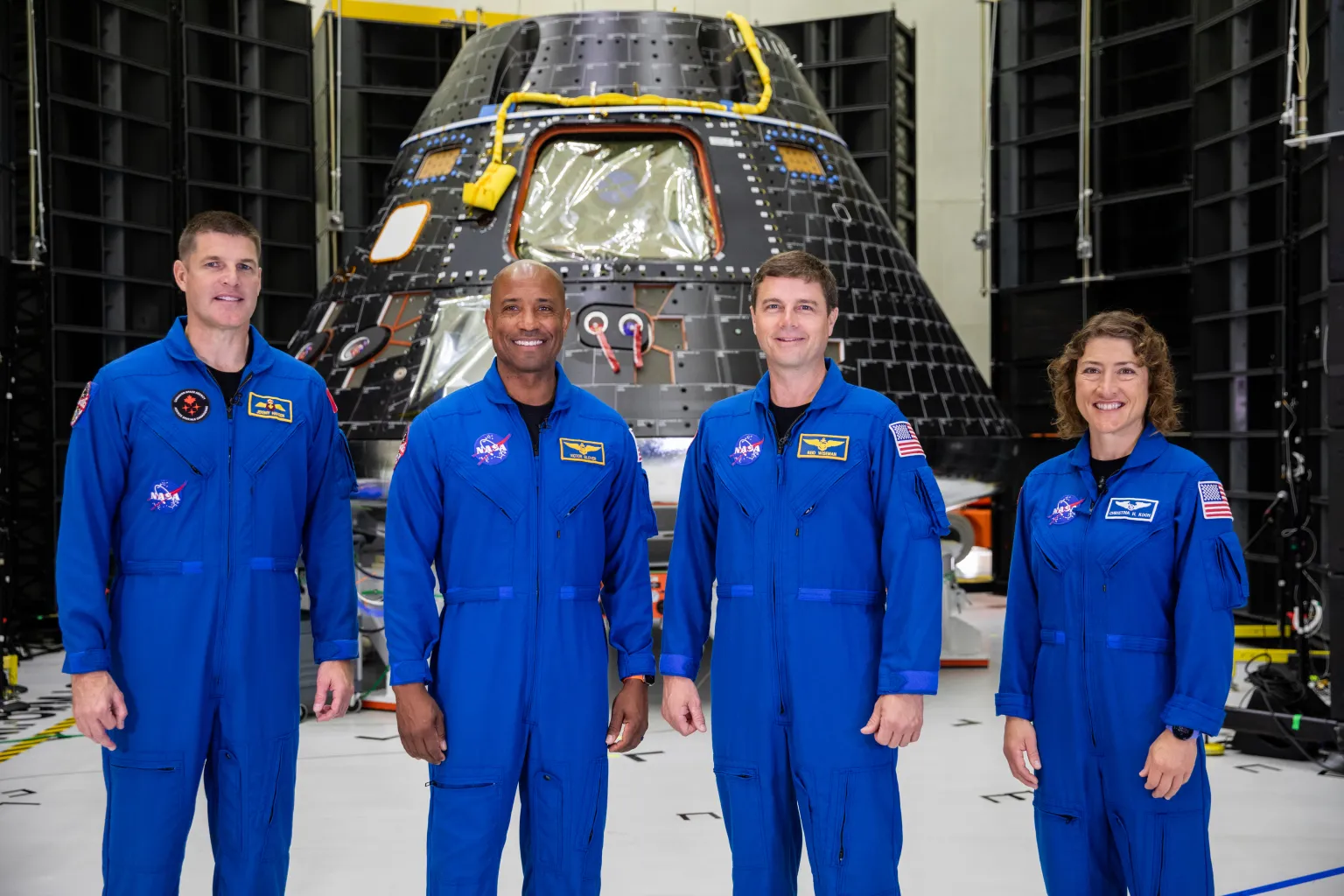
Four astronauts were sent on this mission:
Reid Wiseman (Commander) who was first selected as a NASA astronaut in 2009 and served as Flight Engineer aboard the International Space Station for Expedition 41 from
May through November of 2014.
Victor Glover (Pilot), he served as pilot of the Crew-1 dragon spacecraft, named Resilience, which flew to the International Space Station. Glover has spent a total of 178 days in space across his two missions.
Christina Koch (Mission Specialist), is an explorer and engineer who became an astronaut in 2013. Her previous experience in spaceflight was living and working on the International Space Station. Christina spent a total of 328 consecutive days in space and participated in the first all-female spacewalks
Jeremy Hansen (Mission Specialist), Jeremy Hansen is a crewmember of NEEMO 19, where he lives and works on the ocean floor in the Aquarius habitat off Key Largo, Florida, for seven days simulating deep-space exploration. 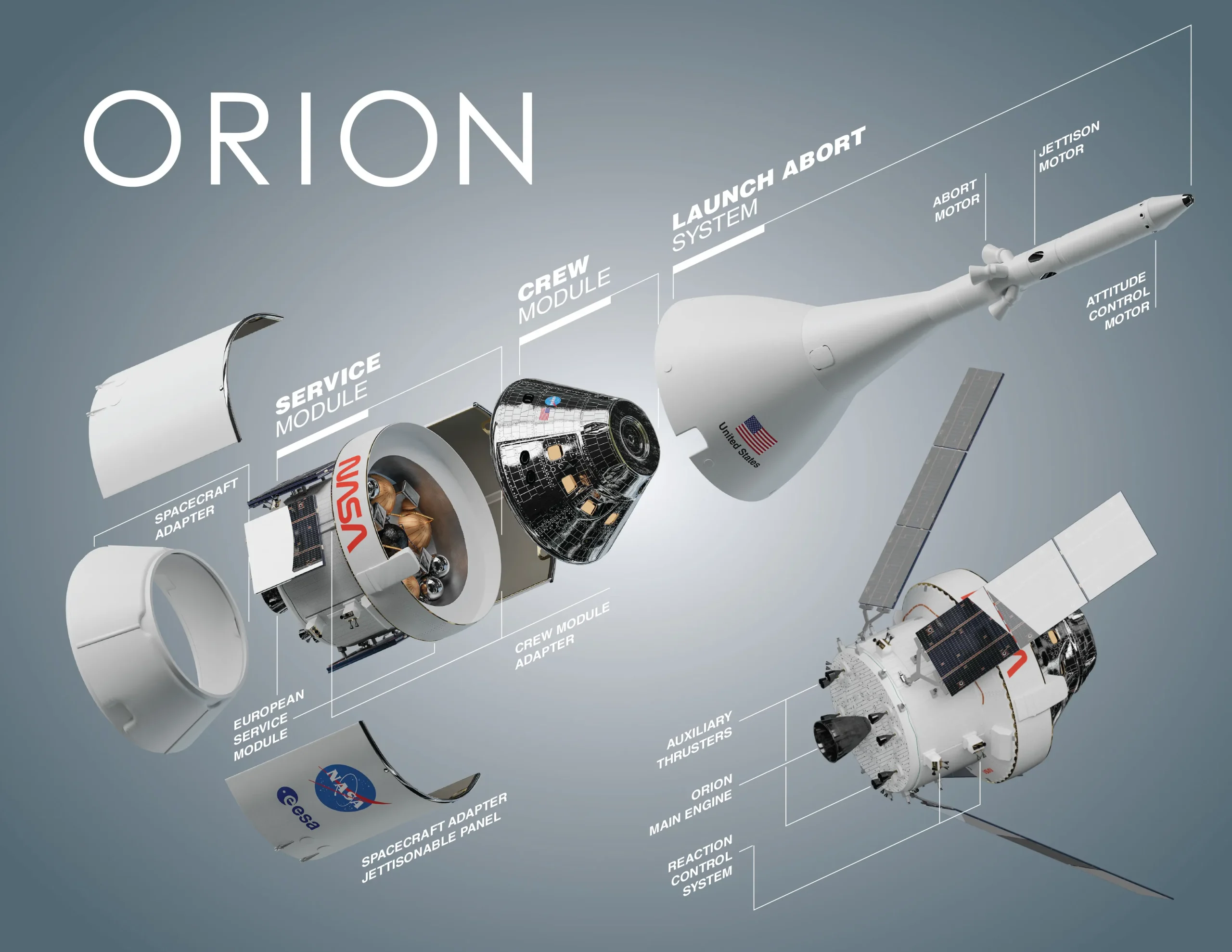
This mission took humans further into space than ever before. The main goal was to prepare astronauts to live and work on the Moon and to help determine areas of high interest for future science discoveries, explorations, and economic benefits.
NASA’s other goal with this mission is to prepare future astronauts for deep space exploration including the exploration of Mars. Artemis III, which will be launched in 2027 to further help develop ways of living and working on the moon, will also be another crewed mission of four astronauts testing the capability of the Orion and commercial human landing systems to deliver the astronauts to the surface of the moon.
Hopefully one day the discoveries made by NASA and their astronauts can lead humans to forming a new society not on Earth incase of the events something on Earth, goes wrong or simply just to experience a new way of living.
Source – all photos and information: NASA