














Ever wonder what it’s like to dance in a competition? If you have a friend who happens to be part of the competition team, you’ve probably noticed that they often can’t hang out due to practice, rehearsal, and a lot of classes. Competition takes a lot of work and a lot of time to prepare for, but the competition itself is often a lot more involved.
The average day of a dancer at competition can usually span from around 8:00 AM to 10:00 or 11:00 PM, depending on the schedule. Since it is encouraged to watch your team’s dances that you’re not in, most of the team stays at the competition even if they don’t have a dance.
However, if you do have a dance, especially in the first session of the day, you have to get up at around 5:00 or 6:00 AM so that there is enough time to eat breakfast, do hair and makeup (which takes a decent amount of time to do), get dressed, and get to the place where the competition is being held at, depending on how far your hotel is from it.
Depending on when you got back to the hotel the night before, this can be a rough wake up call.
And then a few hours later, you might even have to go onstage and perform. With the tiredness and stress of the day, it’s not hard for people to be in a bad mood. On top of this, the competitions are very physically demanding and intense, without a lot of time to recover before performing again.
However, there are ways to still have fun and find some joy in the stressful, mostly toxic (unless you get lucky and the other schools there are nice) environment. There are times you can connect with your team and help support and lift each other up, or help each other when you don’t get the award you wanted.
The competition itself usually has hundreds of entries in total, so the day usually moves relatively fast. However, competitions are prone to running early or late, so making sure you know what number is on is key to being prepared for your dance on time.
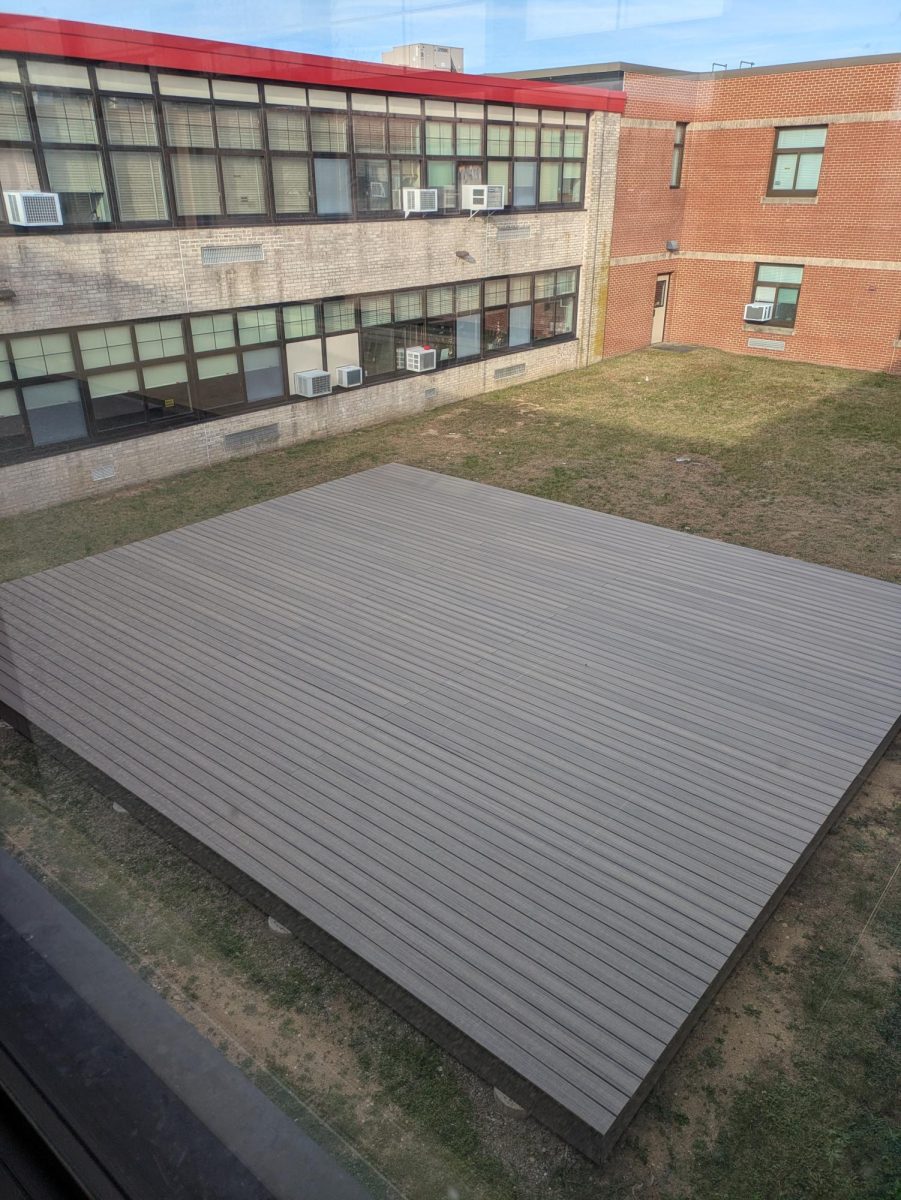
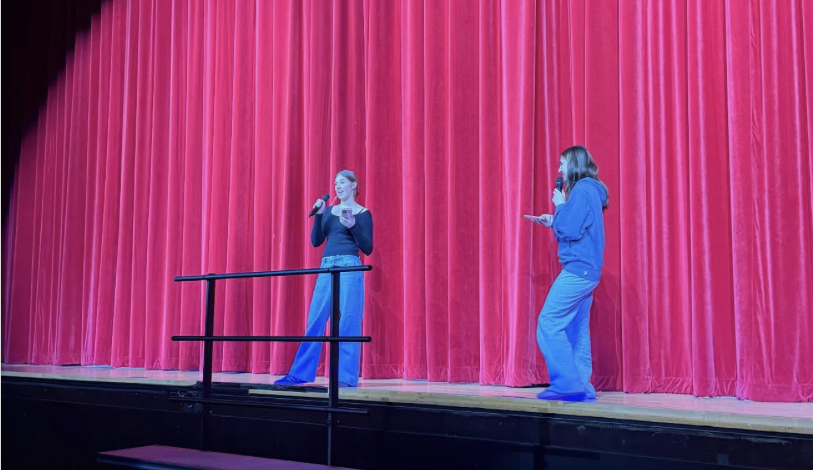
Most of the time, competitions are held at a school, which means you have a stage and a theater. Sometimes they are held at hotels and the “stage” is in a ballroom. Sometimes you get lucky and the competition will have built a makeshift stage in the ballroom, and sometimes you get unlucky and there’s just a large piece of marley on the floor.
As far as schedules go, it’s a toss up every time. You are never able to predict when your dance will be on the schedule, and you cannot request a specific time since there are so many entries. Once you get the schedule, you have to work around when your dances are to find times to eat meals and take a break.
The awards system is a very complicated and involved system, leading to a long awards ceremony after each session, usually around an hour to an hour and a half. At the beginning of the awards ceremony, one of the judges usually comes up on stage and gives special awards to dances that stood out to them. They come up with their own names for these awards, and a member of the dance comes up to accept it.
While performing, the dancers are judged by three different judges, who then add up their scores and average them out for the adjudication. Then there are the “overalls,” where the judges take a top number of dances in a single category and arrange them in order of highest to lowest adjudication.

These overalls can range anywhere from a top 2 to 25. Sometimes there’s even a top 1, if there is only one dance in a certain category. Overalls span multiple different categories, so it definitely is a long section to get through.
If you think awards are done after that, that could not be further from the truth.
After overalls, awards still aren’t done. The competitions hand out a lot of scholarships to people, and then, finally, awards are usually done. After awards, the dancers will either go get ready for the next session or go home if it is the end of the night. There can be 1 to 3 sessions per day, depending on what day of the competition it is, and which categories will be performing that day.
After the day is done, it is now very late at night. Depending on how far your hotel is from the competition is how much later you have to stay up. When you finally get back to the hotel, most dancers take a quick shower to refresh themselves after the long day and wash the gel and hairspray out of their hair. After taking their makeup off and calming down for a bit, most dancers get to sleep at around midnight.
And then at around six, they wake up the next day to do it all over again.