













In the high pressure world that we live in today, many people who enjoy different types of art ranging from digital drawing to traditional sketches and paintings often feel as if their art “isn’t good enough” or “needs work.” However, despite the small thoughts of feeling like art is meant to be perfect, there are still many ways to slowly improve to fit your own style instead of fitting it into the perfect standard that many see art as.
Method #1: Watching Videos
Watching videos, specifically found on YouTube can be very helpful and even educational for what you might be looking for. There are thousands of different videos for artists that range from beginner tutorials to advanced tutorials. One good channel that creates many teaching videos is Winged Canvas. They are a group who all create detailed tutorials based on different mediums of art such as charcoal drawings, digital sketches, color theory, animation, anatomy and more.
They work as an online teaching group in a way as you can learn new methods of art right from the comfort of your own home. However, you’d have to still take time out of your day to watch each video or livestream.
Method #2: References
Using references from real life or from pictures on the internet is a helpful way to improve your artistic skill as it helps with both realism and even cartoony drawings. A popular way to find good references is from an app called Pinterest. It’s accessible on both Androids and Apple and is usually recommended by many artists.
Even if you would want to use a different app for such references there are still many others that are useful. Some others that are known for good references are PureRef and Unsplash. Although they aren’t as popular, they can still provide necessary pictures to help improve your artwork.
Method #3: Repetition
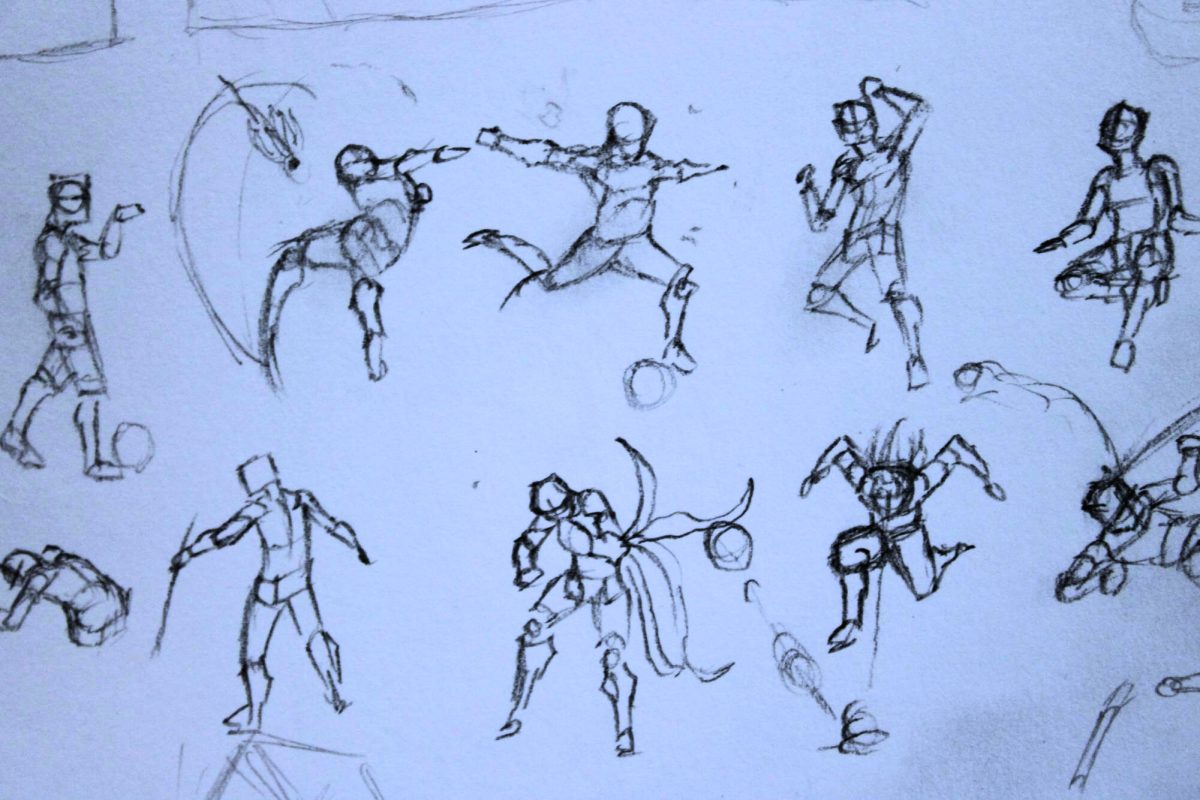
Repetition is one of the most useful ways to get your artwork to improve. For example, say you’re focusing on drawing faces and it doesn’t look the way you want it to. Apply the last suggested method (“References”) and then draw different faces over and over or draw the same face over and over. By doing this you are letting your brain slowly remember how a face is supposed to be drawn. Repetition is a memory tool: it allows you to draw different things more easily if you continue to work on it.
Method #4: Studying
Studying other artists’ techniques and styles is also a helpful way to improve your own art as you can watch how they draw with certain methods. Just like how you’d use different study methods for a certain topic for school, there are similar ways to study artwork. Some ways could be writing down techniques or drawing along to try and understand how different artists complete their work. It might seem difficult as some people have more complicated styles than others but it’s still worth putting effort to try and learn.
Method #5: Observation
Motivation is hard to think of when it comes to art. Many people think you have to be in a good lighthearted mood or find a really interesting idea. However, that isn’t the real case. Motivation comes from just thinking about anything like hearing a song, or finding a specific flower that might look nice in an art piece. Observing the little things in life is what gives you the subtle motivation to draw. Emotion is also a part of it in a way. Instead of only drawing when you’re happy it’s also good to observe your feelings and draw when you feel other emotions like anger or sadness. Every emotion and thought goes into art, which is how you slowly improve.
It’s good to remind yourself that you don’t have to rush art. Patience goes a long way when it comes to learning something new. Giving yourself time to slowly understand the concept of new hobbies while also slowly trying to learn it yourself, or being taught by someone else is what starts improvement.
So instead of waiting, just start. Pick up a pencil, or pen, and draw. Don’t make it perfect. Make it messy, and unnoticeable at first. It takes years of practice, patience and trust to improve.